

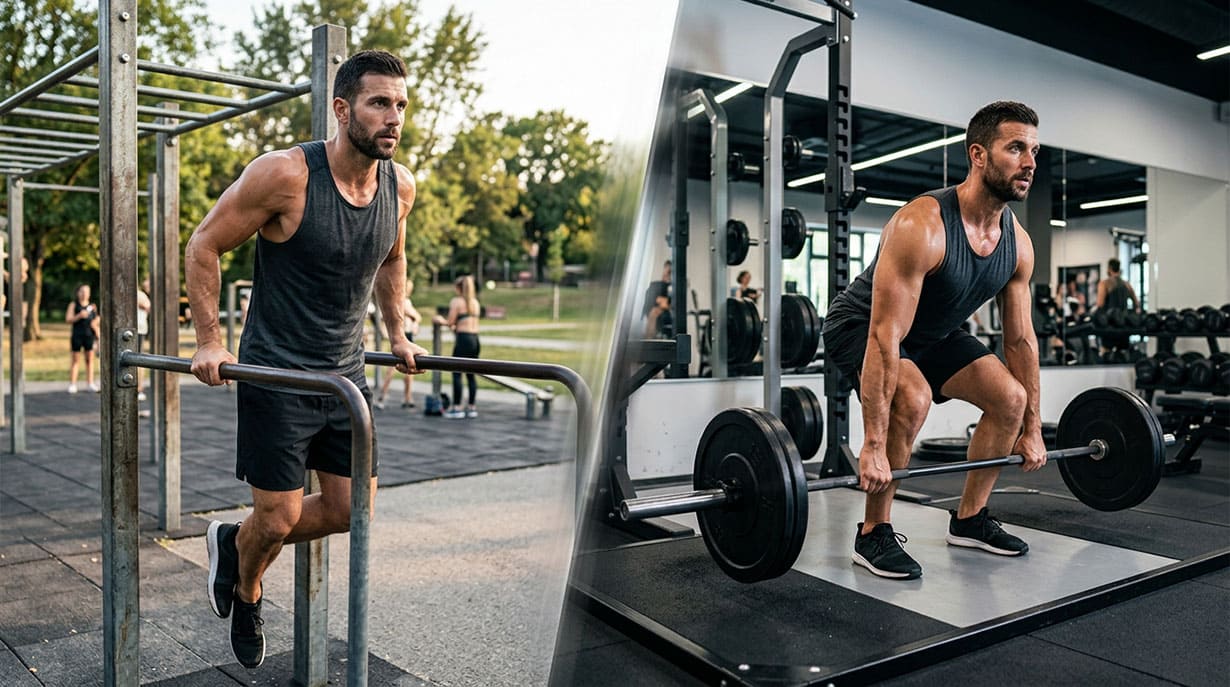

Outdoor fitness and traditional gyms both promise better health, but they deliver that promise in very different ways. One is a membership-based, climate-controlled environment with machines, mirrors, and timetables; the other is a free, open-air experience built around functional movement, community, and the rhythms of the seasons. If your city, school, or facility is weighing where to invest—or you’re a user deciding where to train—understanding the trade-offs helps you pick the option that delivers the most value, adherence, and long-term results. Below, we compare the two across experience, cost, accessibility, equipment, safety, seasonality, and sustainability, with an eye toward well-designed stainless steel outdoor installations that minimize maintenance and maximize durability.
Environment and Experience: Nature, Air, and Motivation
The most immediate difference is sensory. Outdoor fitness immerses users in fresh air, natural light, and changing scenery. These environmental cues can reduce perceived exertion and elevate mood, making workouts feel more rewarding and less like chores. The absence of walls creates a sense of space and freedom, and the presence of other park users—runners, families, cyclists—adds a subtle social energy that encourages participation without pressure.
Indoor gyms, by contrast, offer consistent temperature, lighting, and music—predictable and controllable, which some users find reassuring. However, the artificial environment can feel monotonous over time, and crowding at peak hours often undermines comfort and flow. For many communities, outdoor spaces become not just workout zones but hubs for daily movement and social connection.
Cost and Ownership: Memberships vs. Public Infrastructure
Gyms rely on recurring membership revenue to fund buildings, staff, HVAC, and high-maintenance machines. Even “budget” memberships add up over years, often accompanied by initiation fees or contracts. Outdoor fitness parks flip the model: one-time capital expenditure for equipment and installation, then low operating costs—no air conditioning, no front desk, minimal utilities.
When the equipment is fabricated from corrosion-resistant stainless steel, particularly grades 304 or 316/316L, the maintenance burden drops further because there’s no paint to chip or wood to reseal. For users, the economics are simple: public outdoor gyms are free at the point of use, democratizing access to strength and cardio training. For municipalities or campuses, the total cost of ownership is often lower over a 10–20 year horizon than an equivalent indoor facility with mechanical systems and staffing.
Accessibility and Inclusivity: Anytime, Community-Centric Exercise
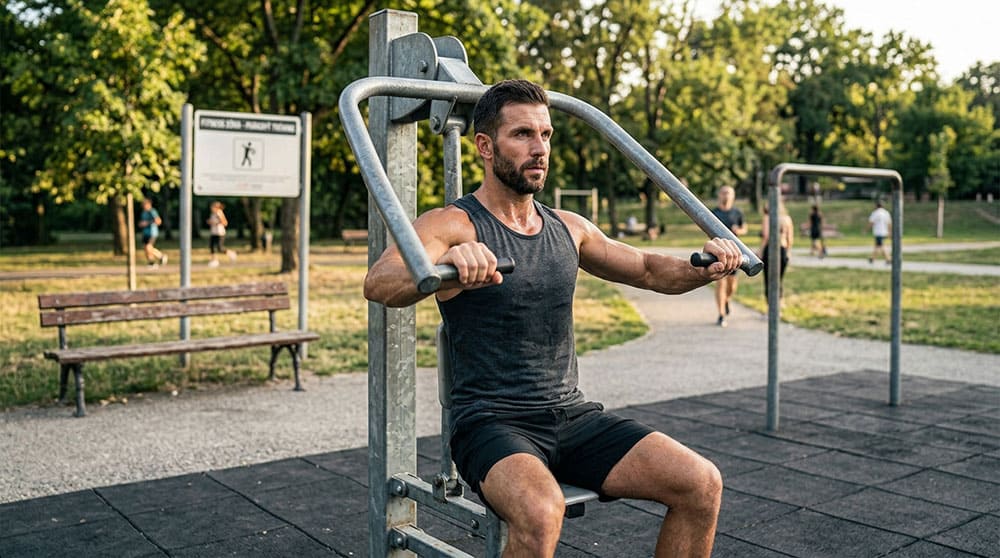
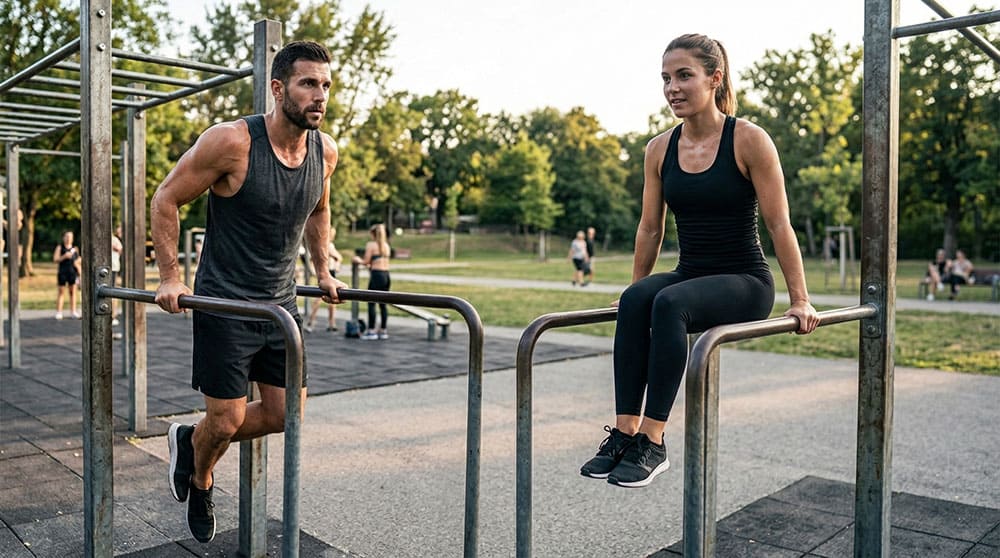
Outdoor fitness parks, particularly those placed near paths, schools, and transit, create spontaneous opportunities to move: a quick set of pull-ups on a lunchtime walk, a circuit while kids play, or a class under the trees at sunset. No keycard, no hours, no queues—just show up. Good design further broadens access by including multi-height bars, step platforms, and assisted movement stations, plus clear signage and QR codes for guidance.
For wheelchair users and older adults, accessible routes and transfer-friendly heights make all the difference. Gyms provide dedicated spaces and staff support that can be invaluable to some, but they’re bound by opening times and commute logistics. The best choice depends on the audience, but for community-wide reach, outdoor installations lower barriers to first workouts and foster habitual, socially supported activity.
Equipment and Training Style: Functional Movement Over Machines
Indoor gyms shine when you need heavy barbells, cable machines, treadmills, or specialized rehab tools. Outdoor fitness emphasizes functional, bodyweight-centric training: pulling, pushing, stepping, rotating, and stabilizing—movements transferable to sport and daily life. Modern outdoor stations—pull-up frames, parallel bars, step-up boxes, plyometric platforms, and rotational cores—support scalable progressions from beginners to athletes.
When built from stainless steel with TIG-welded joints and pickled/passivated finishes, these stations maintain precise geometry and smooth surfaces year after year, which preserves workout quality. Pairing stations with sprint lanes, turf strips, or calisthenics zones unlocks high-intensity intervals, agility work, and mobility flows—no electricity required. For most population health goals—strength, cardiovascular fitness, flexibility, and coordination—well-planned outdoor circuits deliver robust outcomes.
Safety, Hygiene, and Maintenance: Managing Risk in Two Contexts
Indoors, safety hinges on machine upkeep, staff supervision, and cleanliness protocols; shared surfaces and HVAC systems can concentrate germs if not managed well. Outdoors, UV exposure and open air disperse aerosols, while non-porous stainless steel surfaces are easy to clean and don’t harbor moisture like wood or textured plastics.
Splinters and coating chips—a concern with timber or painted metals—are avoided with stainless construction. Vandalism and misuse are real risks outdoors, but they’re mitigated with tamper-resistant fasteners, welded end caps, and concealed fixings. Regular inspections—quarterly for fasteners and wear parts, annually for structural checks—keep both environments safe. In practice, outdoor stainless steel installations offer a favorable hygiene profile with simpler maintenance routines and fewer failure modes than complex indoor machinery.
Weather, Seasonality, and Design Solutions: Making Outdoor Work Year-Round
Weather is the biggest perceived disadvantage of outdoor training, yet it’s also solvable with thoughtful design. Low-gloss brushed or bead-blasted stainless finishes reduce heat gain and glare; insulating grip zones improve comfort in heat and cold; shade sails, tree canopies, and site orientation moderate microclimates; and drainage layers prevent puddling and ice. In colder regions, grit-friendly surfaces and winter signage maintain usability; in hot climates, early/late programming keeps sessions comfortable.
Gyms eliminate most climate variables through HVAC but incur ongoing energy loads and operating costs. If year-round outdoor utility is a priority, invest in 316/316L stainless near coasts or pools, ensure welds are properly passivated, and design layouts for sun, wind, and water—then complement with simple programming shifts across seasons.
Sustainability and Urban Impact: From Carbon to Community
Gyms are resource-intensive: lighting, heating/cooling, and frequent equipment replacements raise operational footprints. Outdoor fitness parks rely primarily on durable hardware and human energy. Stainless steel is 100% recyclable and typically incorporates recycled content; its long service life reduces waste and replacement cycles.
Strategically placed outdoor gyms encourage active transport—walk or bike to the park—and convert underused parcels into vibrant public spaces. The urban design payoff is significant: improved passive surveillance, healthier routines, and spaces that welcome all ages. Indoors and outdoors both have roles, but if the goal is a wide-reaching, low-footprint intervention, outdoor fitness delivers outsized return on every dollar and square meter.
Quick Comparison: Outdoor Fitness vs. Indoor Gym
| Factor | Outdoor Fitness (Public Park/Gym) | Indoor Gym (Membership Facility) |
|---|---|---|
| Cost to User | Free at point of use | Recurring memberships and fees |
| Capital & Operating Cost | One-time install; low energy/maintenance, especially with stainless steel | High build-out; ongoing HVAC, staffing, equipment upkeep |
| Access & Hours | 24/7 access, no gatekeeping | Limited by opening hours and location |
| Equipment Style | Functional, bodyweight, calisthenics, HIIT zones | Machines, free weights, cardio equipment |
| Hygiene & Surfaces | Open air; non-porous stainless easy to clean | Enclosed air; high-touch machines need constant sanitizing |
| Weather Dependence | Managed via shade, finishes, grips, seasonal programming | Minimal—climate controlled |
| Durability | High with 304/316 stainless; vandal-resistant design | Variable; machines wear, upholstery tears |
| Community Impact | Activates public space, inclusive and social | Private setting; community limited to members |
| Sustainability | Low energy footprint; recyclable materials | Higher operational footprint |
Who Benefits Most? Matching Setting to Goals
Frequently Asked Questions (FAQs)
Yes—when the equipment and programming are well designed. Functional bodyweight training builds strength, endurance, mobility, and coordination effectively. For maximal strength or machine-specific rehab, indoor gyms add tools that complement outdoor work.
Weather affects comfort, but smart design mitigates it: shade sails, low-gloss stainless finishes, insulating grips, drainage, and seasonal class times maintain usability across climates. Many communities see strong morning and evening use even in hot summers and bundled-up sessions in cooler months.
Stainless steel stations with rounded edges and non-porous surfaces are easy to clean and resist splinters and coating failures. Open-air settings disperse aerosols, and routine inspections keep hardware secure. As with any facility, clear signage and user guidance improve safety.
Absolutely. Multi-height bars, step platforms, assisted movement stations, and clear instruction signage/QR codes enable safe entry-level progressions. When surfaces and routes are accessible, outdoor gyms can be welcoming for older adults and people with limited mobility.
Specify 316/316L stainless steel, ensure TIG-welded joints are pickled and passivated, isolate dissimilar metals to prevent galvanic corrosion, and plan periodic freshwater rinses. These measures deliver long service life even in aggressive chloride environments.
A simple regimen—periodic rinsing, mild detergent cleaning, quarterly checks of fasteners and wear parts, and an annual structural inspection—keeps equipment safe and looking new. Stainless steel reduces the need for painting and minimizes corrosion-related repairs.
Conclusion
Both outdoor fitness and traditional gyms can change lives, but they excel in different ways. If your priority is broad access, functional movement, low operating costs, and strong community impact, a well-planned outdoor gym—built from durable stainless steel and sited for comfort—delivers exceptional value and staying power. Indoor gyms remain indispensable for heavy lifting, specialized machines, and climate control.
For many organizations and users, the sweet spot is leveraging the strengths of each: let outdoor fitness drive daily participation and community health, while using indoor spaces for targeted training blocks. Designed thoughtfully, the outdoor option becomes a resilient, inspiring cornerstone of active living for every season.